
Data privacy is no longer just a regulatory requirement — it has become a defining factor for digital trust. With the introduction of the Digital Personal Data Protection Act, 2023, India has established a structured framework for managing digital personal data responsibly. The law emphasizes accountability, transparency, and lawful processing, while empowering individuals with greater control over their personal information.
Despite growing awareness, many organizations still rely on assumptions rather than facts when interpreting DPDP requirements. These misconceptions often delay compliance readiness and increase operational and reputational risks.
Understanding the DPDP Act in Simple Terms
The DPDP Act governs how organizations collect, process, store, and share digital personal data. It defines responsibilities for organizations handling personal data (Data Fiduciaries) and establishes rights for individuals (Data Principals).
The objective of the law is to create a balance between innovation and privacy while ensuring that personal data is handled lawfully, transparently, and securely. Organizations that proactively adopt privacy practices are better positioned to build trust and demonstrate accountability.
Understanding the difference between myths and reality is essential for building a sustainable, privacy-first business environment.
10 Common Myths vs Reality Every Business Should Understand
Uncover the realities behind widely believed business misconceptions.
Myth 1: DPDP Compliance Is Only an IT Responsibility
Why this myth?
Data protection is often associated with cybersecurity tools and technical controls. As a result, many organizations assume privacy compliance is handled entirely by IT teams, overlooking the involvement of other business functions.
Reality:
DPDP compliance requires collaboration across legal, compliance, HR, marketing, procurement, security, and leadership teams.
Personal data flows across multiple departments, making privacy governance a shared responsibility rather than a technical task.
Myth 2: DPDP Only Impacts Legal Teams
Why this myth?
Privacy laws are often interpreted primarily as legal requirements, leading organizations to assume legal teams alone are responsible for implementation.
Reality:
Privacy influences customer experience, product design, vendor onboarding, marketing communication, and employee data handling.
Embedding privacy into business workflows helps reduce risks and improves accountability.
Myth 3: Consent Is Just a Checkbox
Why this myth?
Historically, organizations relied on generic consent formats such as pre-ticked boxes or vague privacy notices. This created the perception that consent is only a procedural step rather than a meaningful user choice.
Reality:
DPDP requires consent to be clear, informed, and revocable. Individuals must understand why their data is collected and how it will be used. They should also have the ability to easily withdraw their consent.
Meaningful consent builds transparency and strengthens customer trust.
Myth 4: Privacy Policies Alone Ensure Compliance
Why this myth?
Many organizations view compliance as a documentation exercise, assuming that publishing policies or notices is sufficient to meet regulatory expectations.
Reality:
Policies are only one part of compliance. Organizations must demonstrate operational readiness through data protection measures, consent tracking, risk monitoring, grievance handling processes, and defined retention practices.
Compliance must be embedded into processes, not just documented.
Myth 5: Only Large Enterprises Need to Comply
Why this myth?
Regulatory compliance is commonly perceived as a requirement mainly for large corporations. Smaller organizations often assume limited data volumes mean limited regulatory obligations.
Reality:
Organizations of all sizes collecting digital personal data fall within the scope of DPDP.
Even basic information such as contact details, employee records, customer databases, or website form data may be subject to compliance obligations.
Privacy readiness is relevant for startups, SMEs, and large enterprises alike.
Myth 6: Data Can Be Stored Forever
Why this myth?
Organizations often retain data indefinitely due to perceived future business value or lack of defined data lifecycle practices.
Reality:
DPDP promotes purpose limitation and responsible retention. Organizations should retain personal data only for as long as necessary and securely dispose of it when no longer required.
Excessive data retention increases risk exposure.
Myth 7: DPDP and GDPR Are the Same
Why this myth?
Since GDPR is widely known globally, many assume DPDP follows the same structure and requirements without recognizing jurisdiction-specific differences.
Reality:
While both regulations promote data protection, DPDP has its own structure, definitions, and applicability requirements.
Organizations operating across multiple jurisdictions must align their privacy programs accordingly.
Myth 8: Compliance Is a One-Time Exercise
Why this myth?
Organizations sometimes treat regulatory compliance as a checklist activity completed during audits rather than an ongoing governance practice.
Reality:
Privacy compliance is an ongoing journey that requires periodic monitoring, policy updates, risk assessments, and process improvements.
Organizations must continuously adapt to evolving regulatory expectations and data ecosystems.
Myth 9: Data Security Equals Data Privacy
Why this myth?
Security tools such as encryption, firewalls, and access controls are commonly associated with data protection, leading to confusion between security measures and broader privacy obligations.
Reality:
Security protects data from unauthorized access, but privacy governs how data is collected, processed, shared, and retained.
Both elements must work together to create a responsible data environment.
Myth 10: DPDP Is Only About Avoiding Penalties
Why this myth?
Compliance initiatives are often driven by fear of fines or enforcement actions, causing organizations to overlook the strategic value of strong privacy practices.
Reality:
Strong privacy practices enhance brand reputation, strengthen customer confidence, and support long-term business sustainability.
Trust is increasingly becoming a competitive differentiator in digital ecosystems.
Key Rights of Individuals Under DPDP
The DPDP Act strengthens individual rights by enabling:
- Right to access to personal data.
- Correction and erasure of data.
- Withdrawal of consent.
- Grievance redressal.
- Nomination rights to nominate another person to exercise rights when required.
These rights encourage organizations to operate with transparency and accountability in data processing.
Why DPDP Matters for Modern Organizations
Digital transformation has increased the volume of personal data collected across industries.
Organizations must recognize that:
- Personal data is not just an asset but also a responsibility.
- Customers increasingly prefer organizations that respect privacy.
- Privacy maturity influences brand credibility.
- Compliance readiness reduces operational risks.
The DPDP Act aims to create a balanced ecosystem where innovation and privacy coexist.
Moving From Compliance to Trust
Organizations that view privacy as a strategic capability are better prepared for the evolving regulatory landscape.
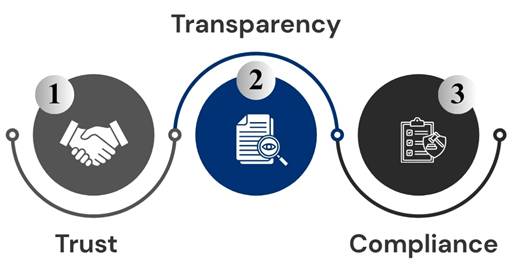
Key steps toward DPDP readiness include:
- Identifying personal data across systems.
- Mapping data processing activities.
- Implementing consent governance mechanisms.
- Defining retention and deletion practices.
- Training employees on privacy responsibilities.
- Assessing vendor data protection readiness.
Privacy maturity reflects organizational commitment to responsible data practices.
Conclusion
The DPDP Act represents a significant step toward strengthening data protection practices in India.
Separating myths from reality helps organizations focus on what truly matters — building transparent, accountable, and responsible data practices.
Organizations that proactively embrace privacy not only reduce compliance risks but also strengthen trust with customers, employees, and stakeholders.
In a data-driven economy, trust is not just an expectation — it is a business advantage. Organizations often seek structured tools and expert guidance to operationalize these privacy principles effectively.
63SATS Cybertech simplifies your compliance journey with an enterprise-grade, AI-powered, audit-ready DPDP solution that helps organizations manage consent lifecycle, discover personal data across environments, and continuously monitor compliance risks with greater confidence and efficiency. By combining automation with governance intelligence, organizations can accelerate privacy readiness while maintaining operational agility.