Artificial Intelligence is no longer limited to automating routine tasks. Today, AI systems can learn, adapt, and interact with other intelligent systems in real time. As organizations increasingly rely on digital ecosystems, many processes involve machine-to-machine interactions where AI systems analyse, respond, and continuously improve without constant human intervention.
AI has grown rapidly, enhancing efficiency, automation, and decision-making across industries. However, this progress also introduces challenges, as AI is used for both beneficial and harmful purposes. In cybersecurity, malicious actors use offensive AI to automate attacks, identify vulnerabilities, and create convincing phishing or fraud techniques at scale. In response, organizations use defensive AI with machine learning, behavioural analysis, and real-time monitoring to detect advanced threats, identify anomalies, and respond proactively, strengthening security in an evolving digital landscape.
AI vs AI – The Race Between Offensive and Defensive Intelligence
One of the most compelling dimensions of AI vs AI is the ongoing race between Offensive AI and Defensive AI.
Offensive AI: Current Threats and Risks
Offensive AI is designed to challenge, manipulate, or exploit AI systems by determining weaknesses in decision-making processes. Threat actors increasingly use AI to automate attacks, making them faster, more adaptive, and harder to detect.
Key risks include:
- AI-powered Phishing Attacks – generates highly convincing messages capable of bypassing traditional filters.
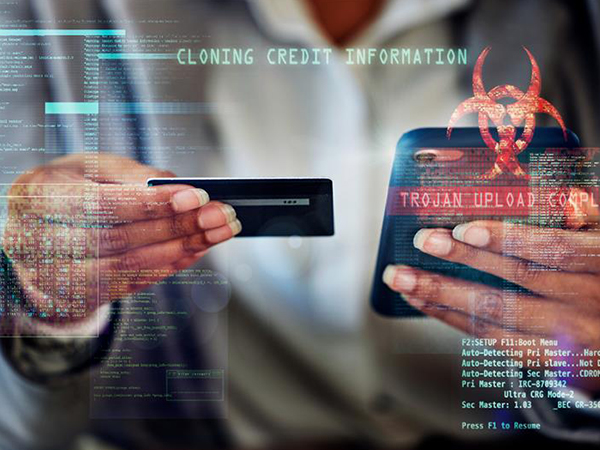
- Deepfake Technology – that imitates voices or identities, enabling fraud and misinformation.
- Self-learning Malware – that adapts behaviour to avoid detection.
- Automated Vulnerability Scanning – identifies system weaknesses at scale.
- Data Manipulation Attacks – that influence AI decision-making by altering training data.
These evolving threats highlight the growing need for stronger security strategies and governance to manage AI-driven risks effectively.
Defensive AI Capabilities:
In response, Defensive AI uses advanced threat detection, self-monitoring mechanisms, and behavioural analysis to continuously identify suspicious patterns, detect irregularities, and defend against digital threats in real time. These systems adapt quickly by learning from new attack strategies and strengthening their protective capabilities.
This creates an ongoing cycle:
- Offensive AI becomes more sophisticated.
- Defensive AI improves detection capabilities.
- Offensive AI adapts new evasion techniques.
- Defensive AI evolves again.
This dynamic improves system resilience by continuously revealing areas for enhancement. Rather than weakening AI, offensive testing makes systems more secure, reliable, and adaptive.
The Role of Defensive AI in Modern Cybersecurity
As offensive AI becomes more advanced, defensive AI plays a critical role in protecting digital environments. Using machine learning, behavioural analytics, and real-time monitoring, defensive AI identifies suspicious activities and responds proactively.
Unlike traditional rule-based tools, defensive AI continuously learns from new data, enabling faster detection of anomalies and emerging attack patterns. It can analyse login behaviour, network activity, and data access trends to pinpoint potential threats and automate response actions, reducing risk exposure.
This interaction between offensive and defensive intelligence creates a continuous improvement cycle, where evolving threats drive more adaptive and resilient security systems.
Defensive AI Solutions for Evolving Threats
To effectively counter AI-driven risks, organizations must adopt security strategies that combine automation with adaptive intelligence. Defensive AI solutions help strengthen protection by identifying risks early and responding quickly.
Key solutions include:
- AI-powered Advance Threat Detection – that analyses activity patterns to identify suspicious behaviour.
- AI Red Teaming and Simulation Testing – that allows organizations to detect vulnerabilities before attackers exploit them.
- Behavioural Analytics and Anomaly Detection – that flags unusual system interactions or unauthorized access attempts.
- Attack Prediction – Defensive AI uses historical data to anticipate vulnerabilities and potential attack vectors, helping organizations block threats and prevent breaches in advance.
- Automated Incident/Threat Response – that helps contain threats quickly by isolating affected systems and alerting security teams.
- Continuous Monitoring and Adaptive Learning – that improves detection accuracy over time.
By integrating these capabilities, organizations can move from reactive security approaches to proactive and predictive defence strategies.
Benefits of Defensive AI in an AI-Driven Ecosystem
Adopting defensive AI solutions provides several advantages for organizations operating in complex digital environments.
- Proactive Threat Detection: AI-powered monitoring helps detect risks before they escalate into serious incidents.
- Enhanced Security Resilience: AI systems continuously test and challenge each other, helping identify vulnerabilities early and strengthening protection against evolving digital threats.
- Faster Response Time: Automated threat detection and response capabilities reduce reaction time significantly.
- Continuous Learning: Defensive AI systems adapt continuously, improving their ability to recognize new attack patterns.
- Improved Accuracy: AI-driven insights help reduce false positives and support better decision-making.
- Scalable Security: AI systems can monitor large volumes of data efficiently, supporting enterprise-scale operations.
Together, these capabilities help organizations strengthen cybersecurity resilience while maintaining operational efficiency.
Preparing for the AI-Driven Future of Cybersecurity
As AI continues to transform cybersecurity, organizations need a balanced approach that combines technology, strategy, and human oversight. AI should support human decision-making to ensure stronger and more reliable defence.
Key priorities include using explainable AI for transparency, securing AI systems against manipulation, and continuously updating models to address evolving threats. Collaboration across industries is also important to strengthen overall resilience.
By combining advanced technology with responsible governance and continuous learning, organizations can better prepare for emerging AI-driven risks and build more secure digital environments.
Conclusion
AI vs AI represents the next stage of digital evolution, where intelligent systems continuously learn from each other to improve performance, security, and decision-making.
As offensive intelligence becomes more advanced, the importance of defensive AI will continue to grow. Organizations must adopt adaptive and forward-thinking security strategies that can evolve alongside emerging threats.
At 63SATS Cybertech, we recognize that the future of digital transformation will be shaped by intelligent systems interacting autonomously with other intelligent systems. By focusing on secure, adaptive, and resilient technology strategies, we aim to help organizations confidently navigate the evolving AI landscape while ensuring innovation progresses alongside strong cybersecurity protection.