

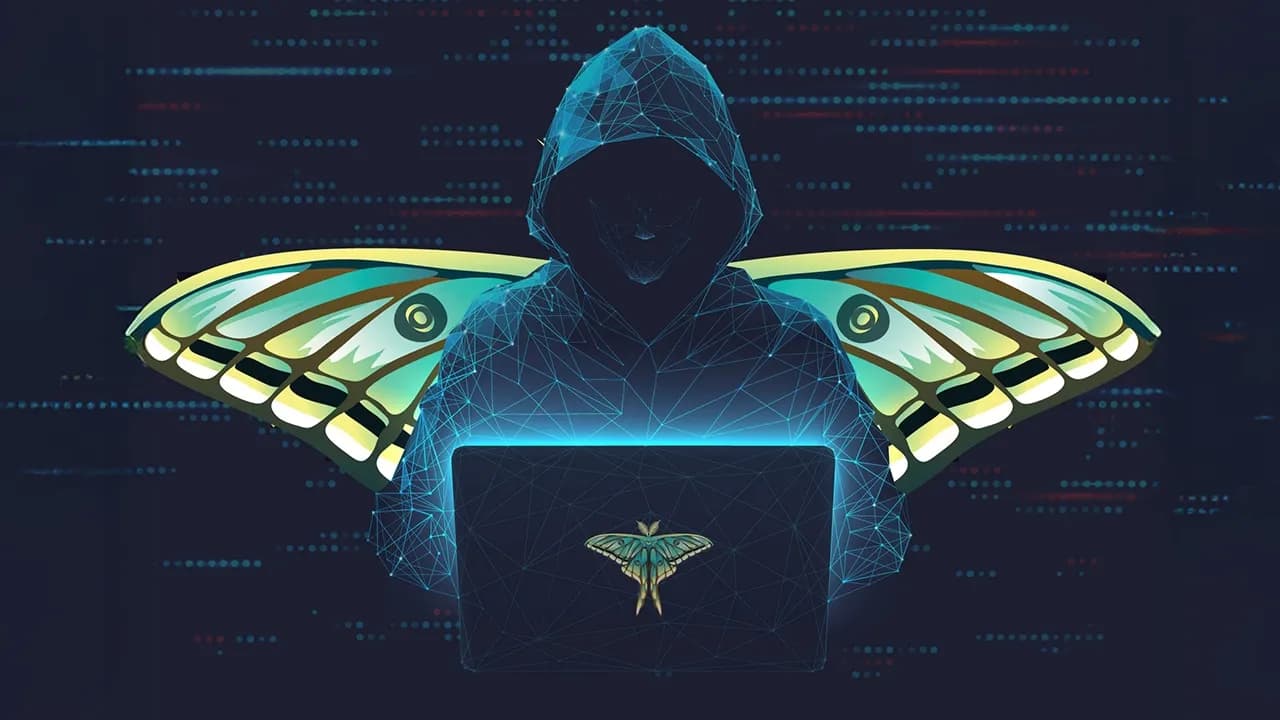
Rise of Luna Moth: How a Silent Extortion Gang is Targeting U.S. Law Firms

Summarize this blog with :
The legal world thrives on confidentiality, trust, and airtight data security. But over the past two years, a new cyber threat has quietly infiltrated this space, exploiting human psychology instead of software flaws.
The Luna Moth extortion gang, also known as the Silent Ransom Group (SRG), Chatty Spider, or UNC3753, has shifted the cyberattack playbook—not with ransomware, but with deception.
According to a recent FBI advisory, SRG has been targeting U.S.-based law firms since spring 2023, banking on the sensitive, high-stakes nature of legal data. But their roots stretch back further, emerging from the ashes of earlier cybercrime waves like BazarCall, which once fed ransomware giants like Ryuk and Conti.
The Power of Pure Extortion
What sets Luna Moth apart from traditional ransomware gangs is their no-malware approach. There’s no encryption, no locked systems—just pure extortion. Once data is stolen, the victim receives ransom emails threatening to release or sell the information unless payment is made.
In some cases, SRG actors apply direct pressure by calling employees, trying to force them into engaging in ransom negotiations. They’ve even set up a public-facing site to post stolen victim data—although, notably, they don’t always follow through on their threats to publish.
This shift toward extortion-only operations marks a broader evolution in cybercrime. Without the telltale signatures of malware, these attacks leave few traces on infected machines, making them difficult to detect with traditional antivirus tools.
Warning Signs and Indicators
Despite the stealth, the FBI warns defenders to watch for specific red flags that may signal Luna Moth activity:
New, unauthorized downloads of system management or remote access tools.
Outbound connections from WinSCP or Rclone to external IP addresses.
Emails or voicemails claiming stolen data, often from unnamed groups.
Phishing emails offering subscription cancellations, urging a callback.
Unsolicited phone calls pretending to be from internal IT staff.
These subtle clues are critical for early detection, especially since Luna Moth’s tactics focus on blending into normal operations.
Why Law Firms Are in the Crosshairs
While SRG has historically targeted multiple industries, law firms have become a favoured target. Legal data includes sensitive contracts, privileged communications, intellectual property, and evidence—an attractive trove for extortionists.
The legal sector’s reliance on confidentiality and reputation amplifies the stakes. A data breach doesn’t just threaten operational disruption or financial penalties; it risks undermining client trust and the very foundation of the firm’s business model.
The Broader Cybercrime Evolution
Luna Moth’s rise reflects a wider trend: the evolution away from malware-heavy ransomware toward human-centered attacks. By leveraging social engineering, SRG bypasses hardened technical defenses, targeting the softest point in any cybersecurity setup—people.
It’s a reminder that while organizations invest in robust security tools, no software can replace vigilant, well-trained staff who can spot phishing, suspicious calls, and social engineering tactics.
A Silent Threat That’s Growing Louder
Luna Moth, or Silent Ransom Group, has shown that the most damaging cyberattacks don’t always need advanced malware or sophisticated exploits. Sometimes, all it takes is a convincing voice on the other end of the line.
As law firms and other high-value targets come under siege from these extortion campaigns, the lesson is clear: in the evolving world of cybercrime, the human element is both the greatest vulnerability and the most critical line of defense. Organizations that strengthen their awareness, tighten their protocols, and build a culture of security vigilance will be best positioned to fend off the rising tide of silent extortion.

Experience Our Solutions in Action
Explore interactive demos and see how 63SATS helps you stay ahead of evolving cyber threats.