

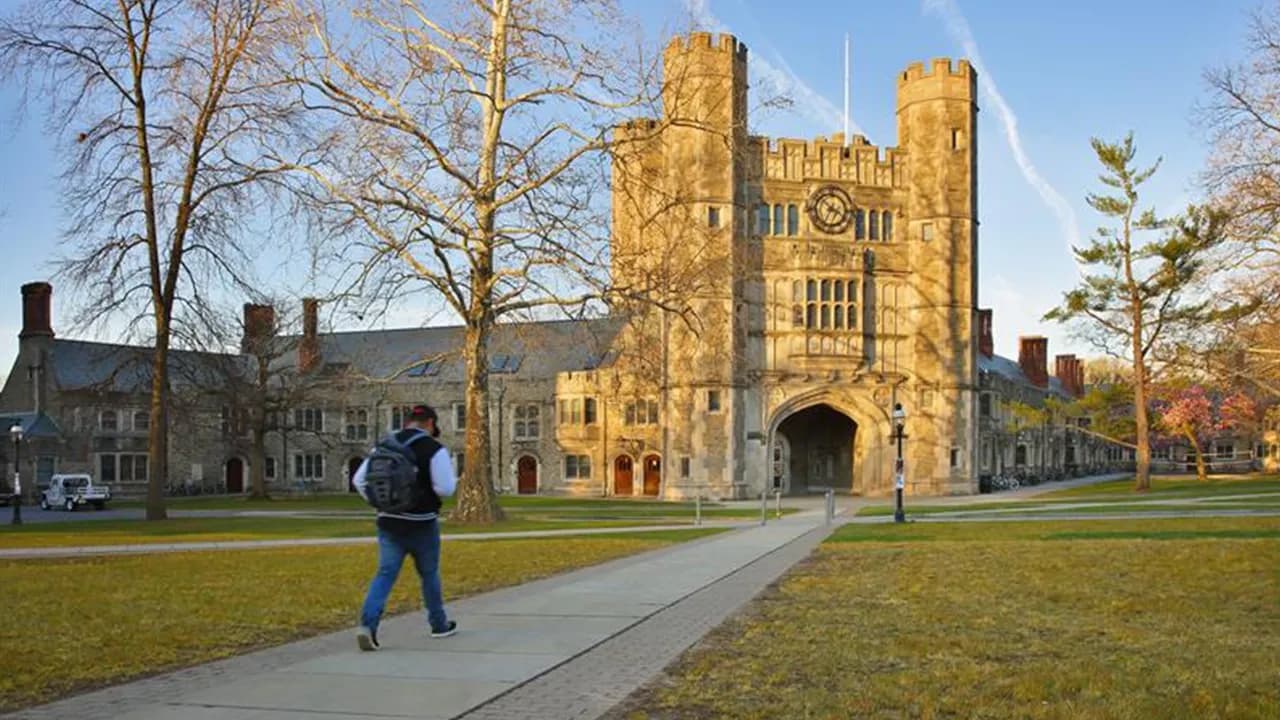
Princeton University Under Threat: The Donor & Alumni Data Breach and What It Means for Institutional SecurityAttributed to - Mr Neehar Pathare, MD, CEO & CIO, 63SATS Cybertech

Summarize this blog with :
Princeton University — one of the world’s most prestigious institutions — confirmed a major cybersecurity incident on November 2025, involving unauthorized access to a database used by its Advancement Office.According to multiple reports, maybe attackers gained access through a databse vulnerability or stolen login credentials targeting a advancement office database . The compromised advancement databse contained donor, alumni, student and faculty engagement details, raising concerns over identity theft, targeted scams, and reputational damage.
This incident serves as a reminder that higher education institutions remain high-value targets for cybercriminals, particularly due to the volume of personal data they store and the varied access points across campus systems.
What Happened? On November 2025, Princeton’s Advancement database which holds alumni, donor, student, faculty, parent and other community-member information was accessed by unauthorized external actors.
The attackers were present in the system for less than 24 hours before Princeton’s internal and external security teams detected and expelled them. According to multiple reports, the intruder accessed Princeton’s Advancement database, which contains biographical information, donor history, and engagement records used for fundraising and alumni relations.
Affected devicesThe university confirmed that while financial and high-risk identity data was not impacted, the stolen information still holds significant valueLikely key exposure factors:
Names of alumni, donors, students, faculty, and parents
Donor engagement and fundraising history.
Email addresses and phone numbers.
Why This Matters
Government & Industry response
How Universities Can Respond
To mitigate risks related to university-level and donor-related data breaches, Universities should adopt the following measures:
Final Word
The Princeton University data breach underscores how even brief unauthorized access to institutional systems can expose sensitive donor and alumni information with far-reaching consequences. As reports confirm, attackers were able to enter the Advancement database and access personally identifiable information (PII) used for engagement and fundraising activities demonstrating that even non-financial datasets carry significant strategic value for threat actors.
With universities increasingly targeted due to their large, diverse data ecosystems, this incident highlights the urgent need for stronger security controls, continuous monitoring, rapid detection capabilities, and rigorous access-management practices across all academic environments.“When donor data becomes a target, trust becomes the first casualty.”
References1. Princeton University Hit by Data Breach Affecting Donor Records.https:/cyberpress.org/princeton-university-data-breach/2. Princeton’s Office of Information Technology (OIT) Cybersecurity incident information and FAQhttps://oit.princeton.edu/cybersecurity-incident-information-and-faq3. Princeton University Data Breach Impacts Alumni, Students, Employees.https://www.securityweek.com/princeton-university-data-breach-impacts-alumni-students-employees/4. Princeton University confirms data breach affecting alumni and donor recordshttps://economictimes.indiatimes.com/nri/latest-updates/princeton-university-confirms-data-breach-affecting-alumni-and-donor-records/articleshow/125359006.cms?from=mdr

Experience Our Solutions in Action
Explore interactive demos and see how 63SATS helps you stay ahead of evolving cyber threats.