

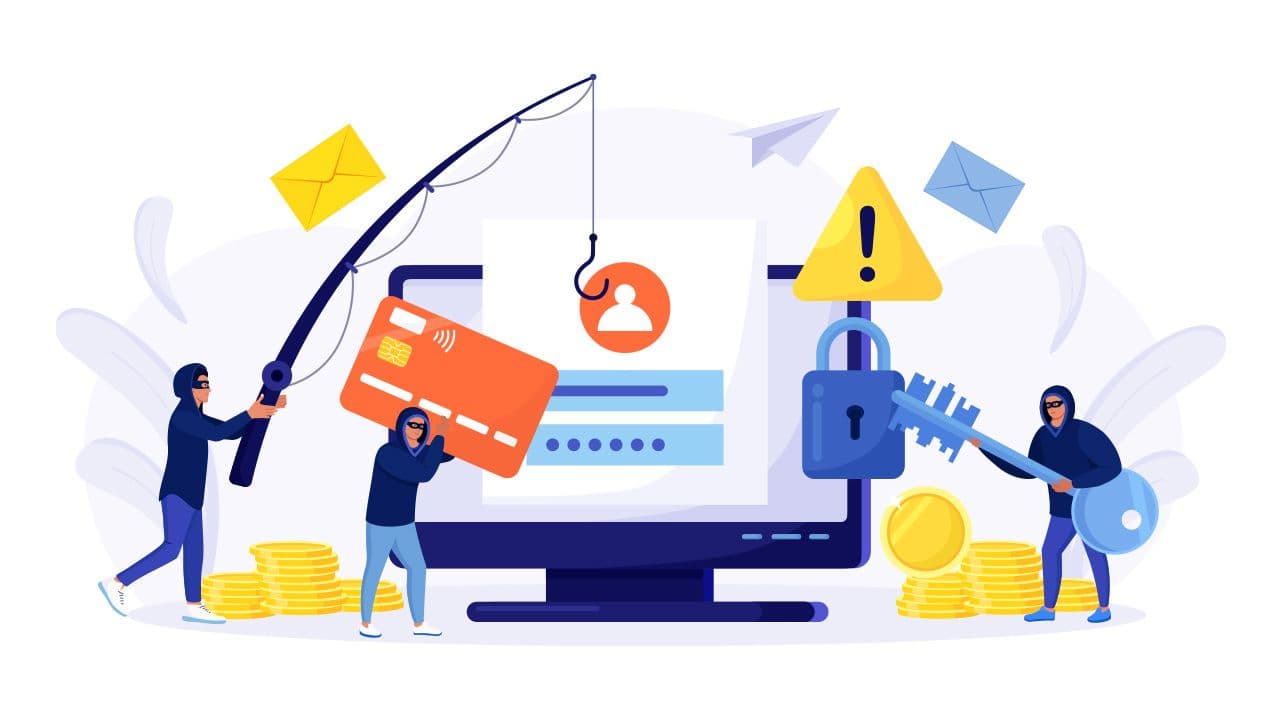
Cyber Crime in the Banking Sector: Strategies to Mitigate the Impact of Cyber Attacks

Summarize this blog with :
In an era dominated by digitization, the banking sector finds itself at the front of technological innovation, but not without challenges. This means the increasing threat of cybercrime in the field poses a serious concern that demands a vigilant and proactive approach to safeguard the financial ecosystem.
With the digitization of financial transactions, the importance of robust cybersecurity measures cannot be overstated. A number of financial institutions that are entrusted with sensitive personal and financial data are prime targets for malicious actors availing to exploit vulnerabilities in digital systems. So, let’s explore cyber crime in banking sector in detail.
Understanding Cyber Crime in the Banking SectorH2
Cyber crime in banking sector is a criminal activity that includes a computer or the internet, targeting financial institutions to steal data, disrupt services, or gain unauthorized access. It can range from simple phishing emails to sophisticated hacking attempts with complex methods. The motive behind these attacks can be monetary gain, political agendas, espionage, or simply causing disruption.
According to the Cybersecurity Ventures Report, cyberattack is expected to cause damages worth $6 trillion globally by 2021. In the banking sector, data breaches and cyberattack has increased by almost 500% between 2014-2019, causing an average financial loss of $18 million per incident.
The Landscape of Bank Cyber CrimeH2
In today's digital world, banks face a constant threat from cybercriminals. Because people use technology and online platforms for money matters, it's easier for hackers to target banks and their customers. Cyberattack don't just mean losing money; it also damage the bank's reputation, make customers lose trust, and break the rules.
Hackers keep changing the way how they attack banks, making it hard for the banks to keep up. One common way is phishing, where they trick people into sharing sensitive info like logins. But now, they also use advanced methods like ransomware and insider threats to exploit bank weaknesses.
Furthermore, phishing tricks people with fake emails, messages, or websites that look real. It's tough to catch because hackers find new ways to get past security. In 2019, Capital One got hit, and over 100 million customers' info was stolen. This shows how serious and damaging these attacks can be.
Ransomware is when hackers get into a bank's system, lock up info, and ask for money to unlock it. It doesn't just cost money; it messes up banking and causes trouble for customers. In 2018, Atlanta's financial services were hit, and they lost millions.
Insider threats are when people who work for the bank leak or misuse info on purpose. In 2020, HSBC had an insider attack, and private customer info was stolen.
Types of Cyber Crime in the Banking SectorH2
The types of types of cyber crime in banking sector are: -
HackingH3
Hacking is when someone gets into computer systems, networks, or software without permission. They use different tricks and tools to do this, like breaking in, stealing or changing data, stopping services, or using weaknesses for bad reasons.
PhishingH3
Phishing is a way to trick people into sharing secret info like usernames, passwords, or credit card details. It happens when someone pretends to be someone else in messages or emails, making others think it's safe to share personal info. But they use this info for bad things.
RansomwareH3
Ransomware is a kind of malicious software that locks up someone's data and asks for money to unlock it.
Data BreachesH3
Data breaches are when hackers get into a computer and look at or take info they shouldn't. This has always been a problem, but now it happens a lot.
Advanced Persistent Threats (APTs)H3
APTs are fancy attacks by big criminal groups. They try to stay in a bank's system for a long time. It's like they're on a secret mission to get as much info as possible.
Point of Sale (POS) CrimesH3
POS crimes happen when people cheat while buying stuff at stores. They mess with the payment systems, like cash registers or card machines, to steal info from customers.
ATM SkimmingH3
ATM skimming is when hackers use devices to steal info from cards at ATMs. They put a sneaky device on the machine that secretly takes the card info and PIN when someone uses it.
Mitigating the Impact: Cyber Security Strategies in the Banking SectorH2
Putting strict rules in place to keep client information safe.
Setting up controls like strong passwords, verifying user accounts, and keeping an eye on who logs in to make sure things are safe.
Giving each worker their login and making sure they don't share private info.
Make sure employees don't put any illegal software on their work devices.
Use the right steps before doing important things like wire transfers, and ensuring that at least two people say yes to the terms and conditions.
Make sure all devices have strong protection to stop any bad stuff from websites that aren't allowed.
Importance of Cybersecurity in Banking SectorH2
Customer Trust and ReputationH3
Banks really need their customers to trust them to do well. When customers feel safe and private with a bank, they are more likely to pick that bank over others.
To keep customer trust, banks must focus on cybersecurity. This means using things like firewalls and encryption, making sure only the right people can get in, checking for problems often, training employees about online dangers, and being quick to act if something seems wrong.
Financial StabilityH3
Cyber crime in banking sector not only hurt how people see a bank but can also mess up money systems. A big attack can take money, stop services, and even break important parts of the bank. In serious cases, it might even make the whole bank fail, causing problems for the whole money system.
Compliance and Legal ObligationsH3
Banks have to follow rules about keeping things safe online. These rules are about protecting information privacy and meeting certain standards. If a bank doesn't follow these rules, they can get in trouble and have to pay fines.
Cyber Security Best Practices for BanksH2
To fortify banking infrastructure against cyber security in banking, adopting robust best practices is crucial. Regularly updating and patching systems, implementing multi-factor authentication, and conducting thorough security audits are vital steps in creating a secure digital space for financial operations.
Moreover, maintaining a secure banking environment heavily relies on the knowledge and vigilance of employees. Regular training on cyber threats equips staff to recognize and thwart potential risks, creating a human firewall that complements technological safeguards.
Apart from that, take the help of 63 SATS, a cybersecurity solutions provider in India dedicated to safeguarding the banking sector. With a focus on cutting-edge technologies and comprehensive solutions, 63 SATS emerges as a strategic ally, ensuring robust cybersecurity measures tailored to the unique needs of the banking industry.
Regulatory Compliance and Cyber SecurityH2
In the banking sector, following rules and standards is crucial for a secure environment. Regulatory requirements outline what banks must do to protect against cyber threats. Moreover, compliance plays a vital role in making sure banks follow these rules and enforce good cybersecurity practices. Failing to comply has serious consequences, impacting efforts to prevent cybercrime.
Besides, Non-compliance not only invites penalties and fines but also weakens the overall defense against cyber threats. Therefore, adherence to regulatory standards is not just a legal obligation but a pivotal factor in effectively mitigating cyber risks and ensuring a resilient banking landscape.
ConclusionH2
To safeguard the banking sector from cyber threats, critical strategies have been highlighted like implementing robust cybersecurity measures, prioritizing customer trust, and fostering collaboration. The ongoing importance of cybersecurity cannot be overstated, as it underpins the sector's integrity. As threats evolve, banks must remain vigilant and proactive, consistently adapting their defenses. In this digital era, the commitment to these strategies is paramount for maintaining a secure financial landscape. Let's collectively champion cybersecurity, ensuring the resilience of our financial institutions against the ever-changing cyber threat landscape. Stay secure, stay vigilant.
At 63 SATS, we know it's important to keep your organization safe from cyber threats. That's why we have a bunch of tools and services to help you defend against bad online stuff. With 63 SATS, it's like having your own Cyber Security Force to protect your digital stuff and keep you feeling calm and safe.
FAQsH2
How prevalent is bank cyber crime, and what is its impact on financial institutions?
Cybercrime is widespread in banking, posing a significant threat. Malicious activities, from data breaches to phishing, constantly impact financial institutions. These attacks not only compromise sensitive information but also lead to financial losses, tarnishing the reputation and trust that banks rely on for success.
How do cybercriminals gain unauthorized access to banking systems and customer data?
Cybercriminals gain unauthorized access to banking systems and customer data through various tactics. They often employ techniques like phishing, malware, and exploiting software vulnerabilities.
What measures can banks take to protect customer data and privacy in the face of cyber threats?
To safeguard customer data, banks should implement robust cybersecurity measures. This includes using encryption, regular security assessments, and multi-factor authentication. Employee training on cyber threats is crucial, and prompt response to any suspected attacks is vital.
4.How can banks create a robust incident response plan to handle cybersecurity incidents effectively?
Banks can ensure cyber resilience by crafting a proactive incident response plan. This involves identifying potential threats, establishing clear response procedures, conducting regular drills, and fostering collaboration among teams.

Experience Our Solutions in Action
Explore interactive demos and see how 63SATS helps you stay ahead of evolving cyber threats.