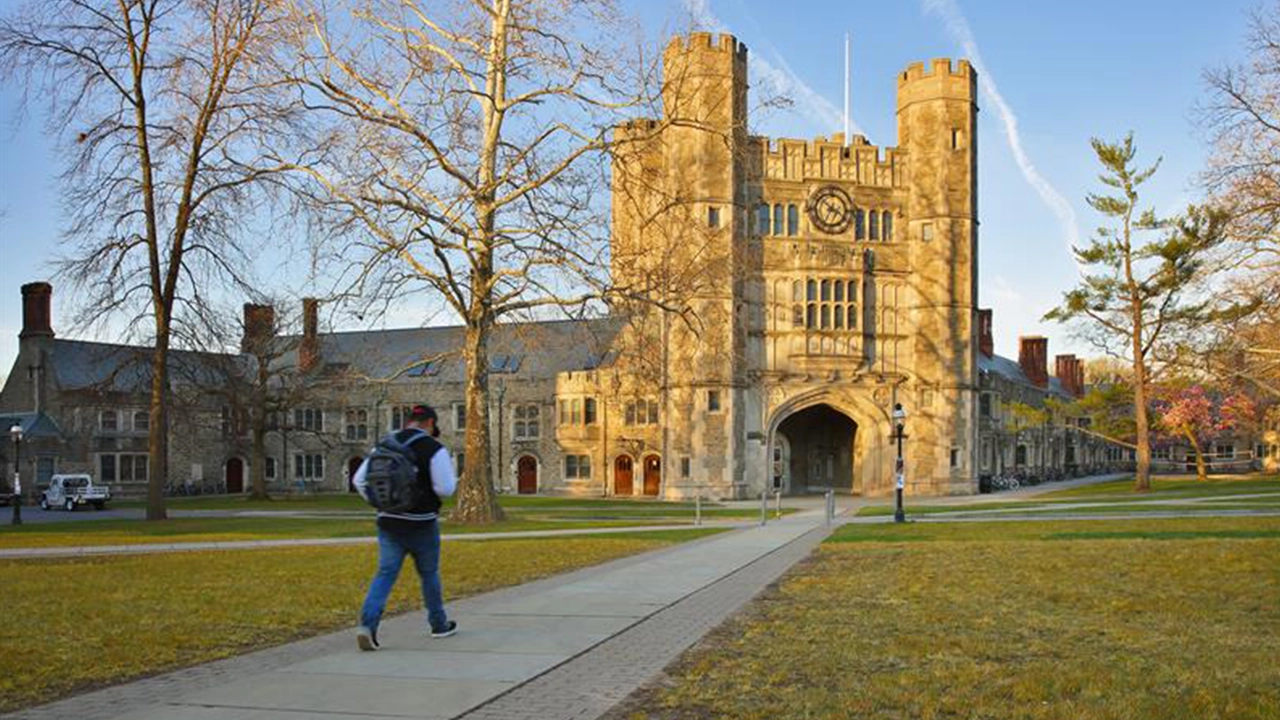
Princeton University — one of the world’s most prestigious institutions — confirmed a major cybersecurity incident on November 2025, involving unauthorized access to a database used by its Advancement Office.
According to multiple reports, maybe attackers gained access through a databse vulnerability or stolen login credentials targeting a advancement office database . The compromised advancement databse contained donor, alumni, student and faculty engagement details, raising concerns over identity theft, targeted scams, and reputational damage.
This incident serves as a reminder that higher education institutions remain high-value targets for cybercriminals, particularly due to the volume of personal data they store and the varied access points across campus systems.
What Happened?
On November 2025, Princeton’s Advancement database which holds alumni, donor, student, faculty, parent and other community-member information was accessed by unauthorized external actors.
The attackers were present in the system for less than 24 hours before Princeton’s internal and external security teams detected and expelled them. According to multiple reports, the intruder accessed Princeton’s Advancement database, which contains biographical information, donor history, and engagement records used for fundraising and alumni relations.
Affected devices
The university confirmed that while financial and high-risk identity data was not impacted, the stolen information still holds significant value
Likely key exposure factors:
- Names of alumni, donors, students, faculty, and parents
- Donor engagement and fundraising history.
- Email addresses and phone numbers.
Why This Matters
Princeton’s global reputation and its extensive donor network make it a prime target for cybercriminals. The breach carries several serious implications:
- Identity impersonation & targeted scams: Criminals may impersonate Princeton staff or donors to solicit fraudulent contributions.
- Threat to donor trust: Philanthropy relies heavily on discretion and confidence. Breaches can undermine decades of relationship-building.
- Institutional reputation damage: Any breach in a world-class university triggers scrutiny from media, regulators, and academic partners.
- Operational and legal risk: Universities must comply with multiple regulatory frameworks; further misuse of the exposed data could invite lawsuits or oversight investigations.
The breach demonstrates that even “non-financial” datasets can have strategic intelligence value — and do not require advanced hacking skills to weaponize at scale.
Government & Industry response
Princeton acted swiftly following the incident:
- Formal Incident Disclosure: Princeton OIT published an FAQ detailing the breach and confirming collaboration with law enforcement and external cybersecurity teams.
- Mass Notifications: On November 15, the university notified all individuals in the affected database, urging vigilance against fraudulent communication and phishing attempts.
- Containment Confirmed: Princeton emphasized that the intrusion was contained within 24 hours and that no other university systems appear to be impacted at this stage.
Given the scale and sensitivity of the data, Princeton — like any institution experiencing a breach — should expect regulatory review, deeper forensic analysis, and heightened oversight, especially if downstream misuse of donor data is detected.
How Universities Can Respond
To mitigate risks related to university-level and donor-related data breaches, Universitiesshould adopt the following measures:
1. Harden Advancement, CRM, and Donor Systems
- Apply all critical patches promptly
- Monitor and isolate high-value data stores
- Implement secure configurations for databases and CRM platforms
2. Enforce Strong Access Controls
- Restrict system access to essential personnel
- Enforce multi-factor authentication (MFA) across all privileged accounts
- Conduct periodic privilege audits to remove unnecessary access
3. Enhance Monitoring and Detection
- Deploy SIEM, anomaly detection, and centralized logging
- Flag unusual data exports, large queries, or after-hours access
- Conduct regular threat hunting focused on donor & alumni systems
4. Protect Backups and Business Continuity
- Maintain isolated, offline backups
- Validate backup integrity routinely
5. Strengthen Zero-Trust Principles
- Verify every user, device, and connection
- Segment networks to limit lateral movement
Final Word
The Princeton University data breach underscores how even brief unauthorized access to institutional systems can expose sensitive donor and alumni information with far-reaching consequences. As reports confirm, attackers were able to enter the Advancement database and access personally identifiable information (PII) used for engagement and fundraising activities demonstrating that even non-financial datasets carry significant strategic value for threat actors.
With universities increasingly targeted due to their large, diverse data ecosystems, this incident highlights the urgent need for stronger security controls, continuous monitoring, rapid detection capabilities, and rigorous access-management practices across all academic environments.
“When donor data becomes a target, trust becomes the first casualty.”
References
- Princeton University Hit by Data Breach Affecting Donor Records.
https:/cyberpress.org/princeton-university-data-breach/
- Princeton’s Office of Information Technology (OIT) Cybersecurity incident information and FAQ
https://oit.princeton.edu/cybersecurity-incident-information-and-faq
- Princeton University Data Breach Impacts Alumni, Students, Employees.
https://www.securityweek.com/princeton-university-data-breach-impacts-alumni-students-employees/
- Princeton University confirms data breach affecting alumni and donor records
https://economictimes.indiatimes.com/nri/latest-updates/princeton-university-confirms-data-breach-affecting-alumni-and-donor-records/articleshow/125359006.cms?from=mdr